


A beautifully constructed, thoughtfully designed designer handbag can serve you throughout the years, a duration which can be extended depending on how your accessory is stored when not in use. When not stored properly, handbags can sometimes lose their shape and integrity, and can even fade and wear quicker. By ensuring that your designer handbag is stored appropriately, you can keep it as your go-to occasion accessory for years to come.
Our care guide explores the best way to store designer handbags, where they can be stored, and what can happen if your handbag isn’t stored appropriately. We will also explore our extensive collection of designer handbags at Jasper Conran London.
Click on a section to find out more:
-
What Can Happen to Designer Handbags if They Aren’t Stored Properly?
Find out how to best store your brand-new handbag
As well as the storage location, what the handbag is stored in can make all the difference
Handbags can wear and deteriorate much quicker when not stored properly
Here are key elements you should avoid when storing your handbag
Browse our extensive collection here
What is the Best Way to Store Designer Handbags?
Storing your designer handbag correctly helps preserve its shape, material, and colour. Designer bags are crafted from high-quality materials that require careful handling even when not in active use. The best way to store a designer handbag can be broken down into several key principles:
Keep It Upright and Stuffed
Handbags should be stored in an upright position on a flat shelf. To prevent slouching or warping, fill the interior with tissue paper or a handbag pillow. Avoid using newspaper as the ink can transfer onto the lining.
Use the Original Dust Bag
Every Jasper Conran London designer handbag comes with a protective dust bag. These soft cloth pouches are designed to protect against dust, scratches, and light exposure. If you’ve misplaced yours, a cotton pillowcase makes a suitable alternative.


Our Gracie small A-frame shoulder bag, available in black and white.
Store in a Cool, Dry Environment
Choose a storage area that’s well-ventilated, away from direct sunlight and high humidity. Wardrobes or dedicated shelving units inside a bedroom or dressing room work beautifully. Avoid areas like lofts or basements where temperature and humidity levels fluctuate.
Rotate Your Collection
If you own multiple handbags, be sure to rotate their use. Letting one bag sit unused for long periods can lead to stiffening or shape distortion. Regular use helps keep leather supple and resilient.
Handle with Clean Hands
Before storing or retrieving your handbag, wash your hands. Oils and residues from skincare products, makeup, or food can transfer easily onto delicate materials.
You can browse our full collection of designer handbags here.
What Can Designer Handbags Be Stored In?
The right storage solution can significantly extend the life of your designer handbag. Depending on your space, collection size, and personal preferences, consider the following options:
Dust bags and cotton covers: As mentioned, the original dust bag is your first line of defence. It protects the bag from dust and scratches while still allowing it to breathe, which can be essential for leather items.
Shelf dividers or cubby units: Open shelving with clear dividers lets you store each handbag upright, preventing them from toppling or pressing against each other. Opt for units lined with soft materials or use felt shelf liners to avoid abrasion.
Acrylic display boxes: For those who enjoy using their handbags daily, a clear acrylic box offers a visually pleasing and protective solution. Ensure these have ventilation holes to prevent moisture build-up.
Soft drawstring pouches for accessories: Store any detachable straps, charms, or dust bags in a separate drawstring pouch, ideally placed inside the handbag itself. This keeps everything together without putting pressure on the bag’s structure.
-
Handbag hooks or hangers (used sparingly): If space is tight, sturdy handbag hooks can offer an alternative. However, hanging handbags by their straps for extended periods can cause stretching or distortion.

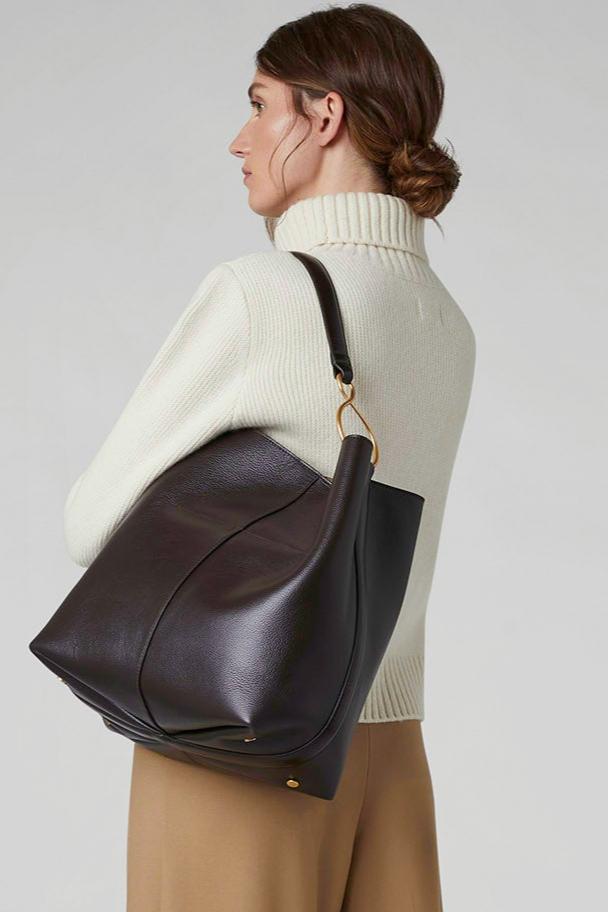

Our Gigi leather hobo bag, available in black and chocolate.
What Can Happen to Designer Handbags if They Aren’t Stored Properly?
Improper storage can lead to a number of problems that compromise both the aesthetic and structural integrity of your designer handbag. Here are some of the most common issues:
Loss of shape: Handbags that aren’t adequately supported internally can lose their shape, leading to sagging or creasing. Structured bags are particularly vulnerable if not stuffed.
Cracking and dryness: Leather bags need a balanced environment; too much humidity can cause mildew, while too little can dry them out. Cracking is often irreversible and detracts from the handbag’s luxury appeal.
Fading or discolouration: Exposure to direct sunlight can cause dyes to fade, especially on brightly coloured or light-toned bags. Uneven fading is particularly noticeable and can reduce the resale value significantly.
Mould and mildew: Storing a handbag in a damp or humid location can encourage the growth of mould, especially on organic materials like leather and suede. Once embedded, mould is difficult to remove and can cause long-term damage.
Tarnishing of hardware: Metals such as gold or silver plating on zippers, clasps and logo plates can tarnish or oxidise if exposed to moisture or air pollutants over time. Using a soft cloth to gently buff the hardware before storing it can help maintain its shine.
Transfer stains: If stored against coloured fabrics or plastic, especially in high heat, handbags may suffer from dye transfer or material degradation. Always separate bags and keep them in breathable fabrics.
What Should I Avoid When Storing My Designer Handbag?
To avoid damaging your designer bag, there are steps you can take to keep it in pristine condition for longer. Try to avoid stacking your handbags on top of each other, as this can add unnecessary pressure and can distort the bags' shapes. Give each bag its own space where possible. You should also attempt to avoid using plastic containers without ventilation, as they can trap moisture, creating the perfect breeding ground for mould. If you must use them, add silica gel packets and make sure they have air vents.
Never use coloured tissue paper inside the bag, as it can bleed onto the lining, especially if humidity is high. Always choose white or acid-free paper, and avoid newspaper. Direct sunlight and heat sources such as radiators can cause fading or drying, so keep your handbags in a cool, shaded location.
Even if a bag is stored away safely, give it a regular once-over. This allows you to spot any early signs of wear or environmental damage before they become irreversible.
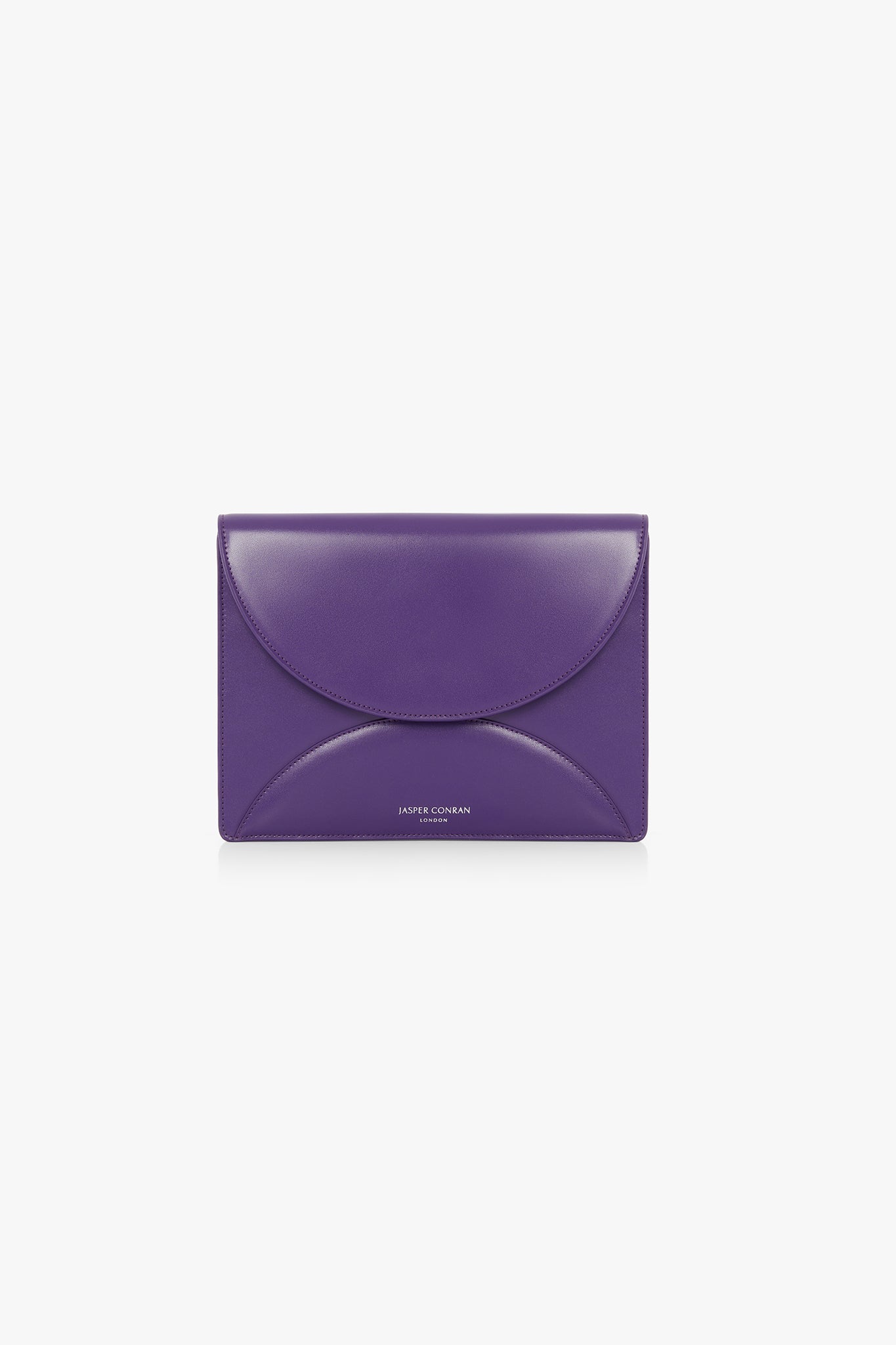


Our Gabriella leather clutch bag, available in purple, bronze and silver.
Designer Handbags at Jasper Conran
At Jasper Conran London, our designer handbags are crafted with both timeless style and long-lasting quality in mind. Each piece is designed to become a cherished part of your wardrobe, made to accompany you for years with proper care.
From elegant leather totes perfect for the everyday to evening clutches that elevate any occasion, our range combines British sophistication with practicality. We encourage our customers to treat their handbags as investments in style and quality, and as pieces to be enjoyed, cared for, and proudly displayed.
Every handbag in our collection is designed with refined materials and attention to detail that demands proper storage and maintenance. Whether you’re safeguarding your Jasper Conran classic or adding a new piece to your collection, following the steps outlined in this guide will help you preserve the beauty, structure, and longevity of your designer handbag.
You can view our full collection of designer handbags here.
Related Content
Cleaning Your Leather Handbag or Purse
